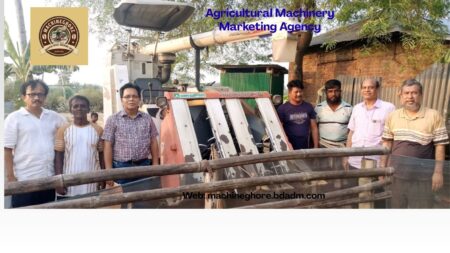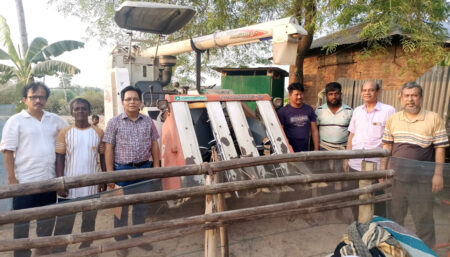
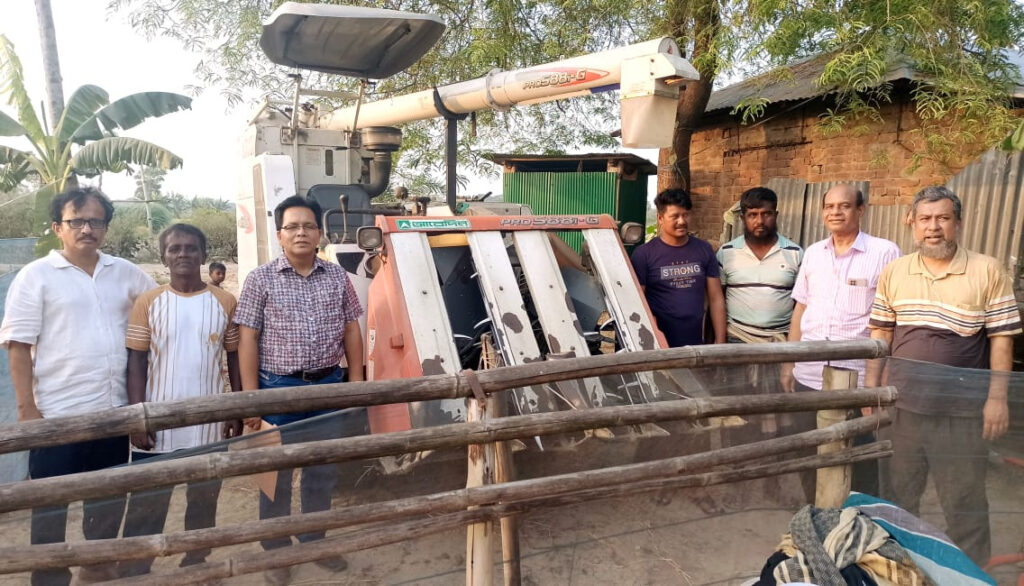
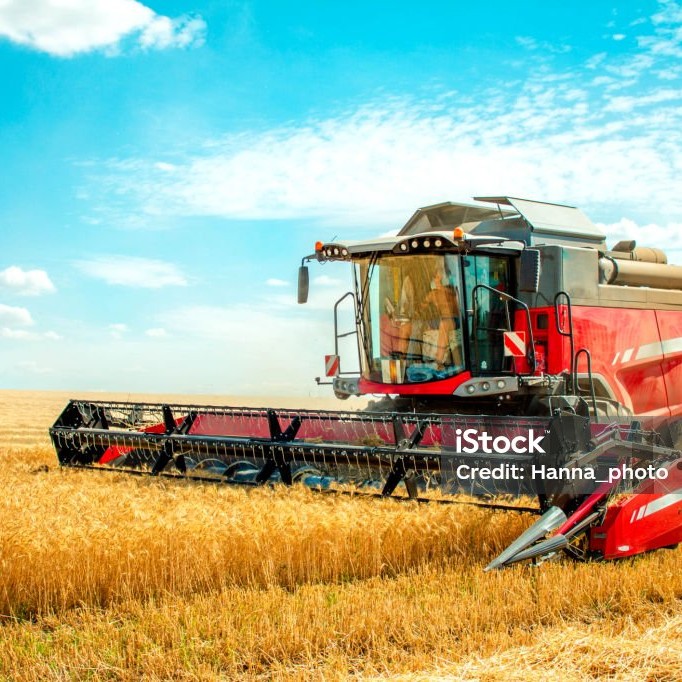
Combine Harvester is playing a vital role in the filed of Agricultural Mechanization in Bangladesh.
With agriculture employing a significant portion of the population while facing rising labor costs and rural workforce migration, the government has placed strong emphasis on expanding access to modern agricultural equipment.
Bangladesh currently offers substantial subsidies to farmers for purchasing agricultural equipment, with incentives ranging from 50 percent in most regions to as high as 70 percent in ecologically sensitive and labor-scarce areas such as the Haor region. This initiative is supported by a large five-year government fund, reflecting a long-term commitment to mechanization. The primary objective is to reduce dependency on manual labor, enhance cropping efficiency, and ensure timely farm operations, particularly during peak planting and harvesting seasons.
The subsidy program covers a wide range of modern agricultural machinery and equipment. Key machines include combine harvesters, reapers, rice transplanters, threshers, and power tiller-operated seeders. These technologies significantly reduce the time and labor required for field operations while minimizing post-harvest losses. For example, combine harvesters can complete harvesting, threshing, and cleaning in a single operation, helping farmers save both time and costs while increasing output quality.
One of the core aims of this mechanization drive is to counter the rising cost and declining availability of agricultural labor. Seasonal labor shortages have become more pronounced due to urban migration and alternative employment opportunities. By promoting machinery use, the government seeks to stabilize production levels, increase cropping intensity, and improve rural incomes. Mechanization also enables farmers to cultivate larger areas and adopt modern farming practices, contributing to overall food security.
Despite its advantages, the program faces several challenges. A major constraint is farmers’ limited ability to finance their share of the machinery cost, even after subsidies. Agricultural equipment, particularly advanced machines like combine harvesters, remains expensive for small and marginal farmers. Access to affordable credit and tailored financing solutions is therefore essential to ensure broader adoption. Without proper financing mechanisms, many farmers may remain unable to benefit from the subsidy program.
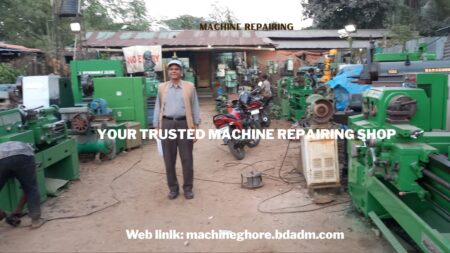
Another important aspect of the initiative is the promotion of local manufacturing and repair industries. Encouraging domestic production of agricultural machinery can help reduce import dependence, lower equipment costs, and ensure easier availability of spare parts. Local manufacturing also creates employment opportunities and strengthens technical capacity within the country. Over time, a robust local machinery industry can make agricultural equipment more affordable and sustainable for farmers.
Skilled workforce development is also a key component of the program. The government has taken steps to create positions for farm engineers and technical personnel who can support machine operation, maintenance, and repair. This technical support is vital, as improper use or lack of maintenance can shorten machine lifespan and reduce efficiency. Training programs for operators and mechanics further enhance the effectiveness of mechanization efforts.
In conclusion, Bangladesh’s agricultural equipment subsidy program represents a strategic investment in the future of its farming sector. By reducing financial barriers, promoting modern machinery, encouraging local manufacturing, and building technical capacity, the initiative aims to create a more productive, resilient, and profitable agricultural system. While challenges related to financing and accessibility remain, continued policy support and targeted interventions can ensure that mechanization benefits farmers across all regions and scales of operation.
Frequently Asked Questions (FAQs)
1. Why is agricultural mechanization becoming increasingly important in Bangladesh?
Answer: Agricultural mechanization is essential due to rising labor costs, rural workforce migration, and seasonal labor shortages. Modern equipment helps ensure timely farming operations, improves efficiency, and reduces dependence on manual labor.
2. What subsidy support does the government provide for agricultural machinery in Bangladesh?
Answer: The government offers subsidies ranging from 50% to 70% on agricultural machinery purchases. Higher subsidies apply in ecologically sensitive and labor-scarce regions such as the Haor areas, supported by a long-term five-year funding program.
3. Which agricultural machines are most promoted under the subsidy program?
Answer: Key machines include combine harvesters, reapers, rice transplanters, threshers, and power tiller-operated seeders, all of which significantly reduce labor requirements and post-harvest losses.
4. How do combine harvesters benefit farmers?
Answer: Combine harvesters perform harvesting, threshing, and cleaning in a single operation, saving time and costs, reducing post-harvest losses, and improving overall crop quality and productivity.
5. What challenges limit the adoption of modern agricultural equipment?
Answer: Major challenges include farmers’ limited ability to finance their share of machinery costs, lack of affordable credit, and the high price of advanced equipment. Addressing these issues requires improved financing options, local manufacturing, and skilled technical support.